
What is Oliga? Its just more than a sweet – it’s warm memories of Ugadi, festivals, and fresh homemade joy wrapped in ghee!
India’s culinary heritage is rich and diverse, especially when it comes to traditional sweets passed down through generations. Each region boasts its own unique specialties, deeply intertwined with culture, festivals, and family traditions. Among these cherished delicacies, oliga stands out as a beloved sweet in South India.
In Telangana, oliga is also known as bakshalu, a name that holds deep emotional and cultural significance for many families. Whether called oliga, bobbatlu, or bakshalu, this traditional sweet represents more than just flavor—it embodies heritage, celebration, and the joy of sharing food with loved ones.
Despite the rise of modern desserts, oliga remains a staple in households and sweet shops due to its simplicity, authenticity, and rich taste. Many still prefer it freshly made, just as it has been for generations.
This guide explores everything about oliga—from its meaning and ingredients to its cultural importance and where to find fresh oligas in Hyderabad today.
Understanding What is Oliga – Meaning, Names, Ingredients, and Traditions
Oliga is not just a dessert; it is a reflection of South Indian culinary heritage that has been preserved over centuries. It is a sweet that brings together simple ingredients, traditional cooking techniques, and cultural significance.
To fully understand oliga, it is important to explore what it is, how it is known across different regions, what ingredients are used in its preparation, and the occasions during which it is traditionally made.
What is Oliga?
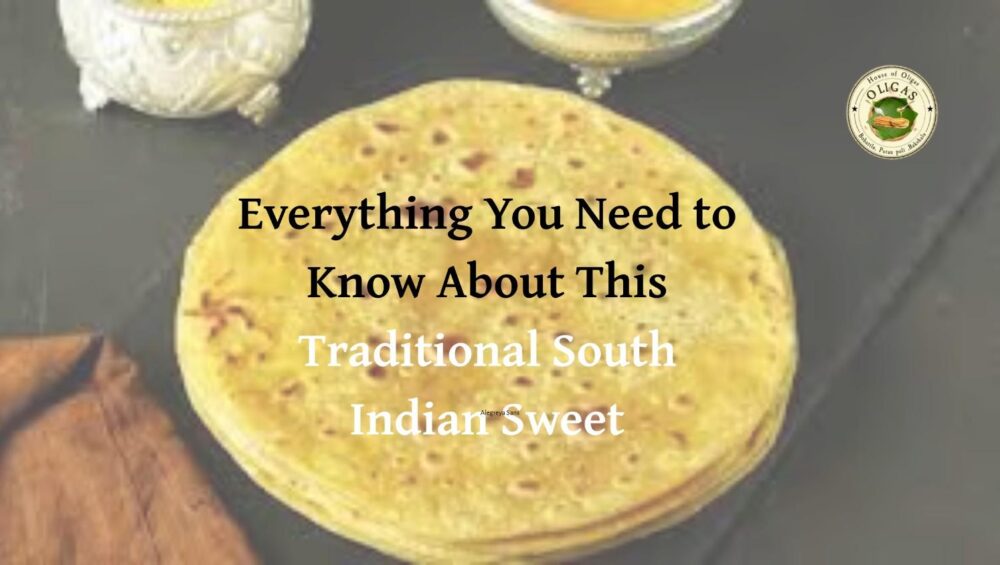
Oliga is a traditional South Indian sweet made from a soft, thin layer of dough that is filled with a sweet mixture of jaggery and lentils, typically chana dal. The stuffed dough is carefully rolled out and cooked on a flat pan with ghee until it becomes soft, aromatic, and slightly golden.
The texture of oliga is one of its most defining features. The outer layer is delicate and smooth, while the inner filling is rich, slightly grainy, and naturally sweet. When cooked properly, oliga becomes soft enough to melt in your mouth while still holding its shape.
What makes oliga different from many modern desserts is its reliance on traditional ingredients. Instead of refined sugar, jaggery is used, which gives it a deeper flavor and a more wholesome sweetness. The use of ghee not only enhances the taste but also adds a rich aroma that is instantly recognizable.
Oliga is best enjoyed fresh and warm. When served immediately after preparation, it offers a perfect combination of softness, sweetness, and flavor that is difficult to replicate with packaged sweets.
Different Names of Oliga Across India
One of the most fascinating aspects of oliga is how it is known by different names across India, reflecting the diversity of regional languages and traditions.
బక్షాలు అంటే... కేవలం తినడం కాదు, జ్ఞాపకాలు తినడం! ❤️
In Andhra Pradesh and Telangana, oliga is commonly referred to as bobbatlu or bakshalu. The term Telangana bakshaluis especially popular and is deeply connected with festive occasions like Ugadi. In many homes, the word bakshalu itself evokes memories of celebrations and traditional cooking.
ಹೋಳಿಗೆ ಅಂತ ಕೇಳಿದ ತಕ್ಷಣ... ಯುಗಾದಿ ಹಬ್ಬ, ಅಮ್ಮನ ಕೈಯ ತುಪ್ಪದ ವಾಸನೆ, ಬಿಸಿ ಬಿಸಿ ಒಬ್ಬಟ್ಟು – ಎಲ್ಲಾ ಒಂದೇ ಸಾರಿ ನೆನಪಾಗುತ್ತದೆ!
In Karnataka, this sweet is known as obbattu or holige. The Karnataka version is often thinner and is typically served with generous amounts of ghee, making it even richer in taste.पुरणपोळी ऐकलं की... गुढीपाडवा, होळी, अम्मा-आजींच्या हातची जाड पोळी, तुपाचा वास आणि त्या पहिल्या घासाची आठवण येतेच!
In Maharashtra, a similar preparation is called puran poli. While the filling is quite similar, puran poli is usually thicker and often made using whole wheat flour, giving it a slightly different texture.Although these names vary, the essence of the dish remains the same—a sweet flatbread filled with a jaggery-based mixture that represents tradition and comfort.
Ingredients Used in Oliga
Oliga is a perfect example of how simple ingredients can come together to create something truly special. The taste and texture of oliga depend not only on the ingredients themselves but also on their quality and preparation.
The main ingredients used in oliga include chana dal, jaggery, ghee, flour, and cardamom. Each of these plays a specific role in creating the final product.
Chana dal is used to prepare the filling. It provides a slightly grainy texture that balances the smoothness of the outer layer. Jaggery acts as the primary sweetener and gives the filling its rich, caramel-like flavor. Unlike refined sugar, jaggery adds depth and a more natural sweetness.
Ghee is an essential component in the preparation of oliga. It is used during cooking and sometimes added on top before serving. Ghee enhances the aroma, improves the texture, and adds richness to the sweet.
The outer layer is made using maida or wheat flour, depending on regional preferences. This layer needs to be soft and elastic so that it can hold the filling without breaking.
Cardamom is added in small quantities to give the filling a pleasant fragrance and enhance the overall flavor.
The quality of these ingredients plays a crucial role. Fresh ghee, good-quality jaggery, and properly cooked dal can significantly improve the taste and authenticity of oliga.
When is Oliga Traditionally Made?
Oliga is deeply tied to tradition and is often prepared during important festivals and celebrations. It is not just a sweet that people eat—it is a dish that carries cultural and emotional significance.
One of the most important occasions when oliga is prepared is Ugadi, the Telugu New Year. During this festival, bakshalu is made in many households as a symbol of prosperity, happiness, and new beginnings.
In addition to Ugadi, oliga is also commonly prepared during festivals like Holi and Diwali. It is often included as part of festive meals and shared with family and friends.
Oliga also plays a role in weddings and family gatherings. It is sometimes prepared as a special treat for guests, reflecting hospitality and tradition.
The process of making oliga is often a collective activity. Family members come together to prepare the dough, cook the filling, and shape the sweet. This makes it not just a culinary process but also a bonding experience.
Why Oliga is Loved and Where to Buy Fresh Oligas in Hyderabad
Even in today’s fast-paced world, where modern desserts and packaged sweets are easily available, oliga continues to remain a favorite. Its popularity is rooted in its taste, tradition, and the importance of freshness.
Understanding why oliga is loved helps explain its lasting appeal, while knowing where to find fresh oligas ensures you experience it in the best possible way.
Why is Oliga So Popular?
There are several reasons why oliga has remained popular across generations.
One of the main reasons is its authentic taste. The combination of jaggery and ghee creates a flavor that is rich, natural, and deeply satisfying. Unlike many modern desserts, oliga does not rely on artificial ingredients.
Another important factor is its cultural significance. For many people, oliga is associated with festivals, traditions, and family gatherings. It is not just a sweet but a part of their memories and experiences.
Freshness also plays a major role. Freshly made oligas are soft, warm, and aromatic, offering a texture and taste that packaged sweets cannot match.
Simplicity is another reason for its popularity. Despite being made with simple ingredients, oliga delivers a complex and satisfying flavor profile.
Where Can You Buy Fresh Oligas in Hyderabad?
While oliga is traditionally made at home, many people today prefer buying it due to convenience and time constraints.If you are looking to buy fresh oligas in Hyderabad, it is important to choose a place that focuses on traditional preparation methods and high-quality ingredients.Fresh oligas are usually softer, more flavourful, and closer to homemade quality. They retain the aroma of ghee and have a texture that makes them enjoyable.
When choosing where to buy oligas, it is important to consider factors such as freshness, ingredient quality, and authenticity. Shops that prepare oligas in small batches and prioritize traditional methods often deliver better taste and quality.One such place to consider is House of Oligas, known for offering freshly prepared oligas with a focus on authentic recipes and quality ingredients.
Final Thoughts About What is Oliga
Oliga, also known as bobbatlu or Telangana bakshalu, is more than just a traditional sweet. It represents culture, tradition, and the timeless appeal of simple, authentic food.
From its rich filling to its soft texture, oliga continues to be a favorite across generations. Whether enjoyed during festivals or as a special treat, it remains a symbol of celebration and togetherness.
Trying freshly made oligas is the best way to experience this classic South Indian sweet in its true form.
10 Frequently Asked Questions (FAQs) on What is Oliga
What is oliga made of?
Oliga is made with a soft outer dough of maida or wheat flour and a sweet inner filling of chana dal, jaggery, cardamom, and ghee. High-quality ingredients ensure its rich taste and soft texture.
What are the other names for oliga?
Oliga is also commonly called bobbatlu in Andhra, bakshalu or pappu bakshalu in Telangana, holige or obbattu in Karnataka, and puran poli in Maharashtra.
Is oliga the same as puran poli?
Yes, they are very similar. While the core concept (jaggery-lentil stuffed sweet flatbread) is the same, regional variations exist in thickness, flour type, and ghee usage. Telangana/Andhra bakshalu/bobbatlu tend to be softer and thinner.
When is oliga traditionally prepared?
Oliga is most commonly made during Ugadi, Diwali, Holi, weddings, and other festive occasions. It is also prepared for family gatherings as a special treat.
How is oliga different from regular sweets?
Oliga stands out due to its fresh preparation, use of jaggery and ghee, soft melt-in-mouth texture, and cultural significance. It evokes nostalgia and homemade comfort unlike packaged desserts.
Can I buy fresh oliga in Hyderabad?
Yes! House of Oligas in KPHB, Hyderabad, offers authentic, freshly prepared oliga daily. They provide same-day delivery across Hyderabad and a variety of classic and fusion flavors.
Does House of Oligas use preservatives?
No. House of Oligas prepares oligas fresh daily in small batches using natural ingredients and traditional methods with no preservatives, ensuring authentic taste and freshness.
What varieties of oliga are available?
Apart from the traditional jaggery-chana dal version, House of Oligas offers innovative flavors like Triple Chocolate Oliga, Strawberry Chocolate, Pineapple Oliga, Sugar-Free Oliga, and options served with badam milk, pista milk, or rose milk.
Is oliga suitable for gifting?
Absolutely. Fresh oligas from House of Oligas are perfect for festivals, weddings, and celebrations. They offer elegant gifting packs and customizable boxes.
How should oliga be served and stored?
Oliga tastes best when served warm with a drizzle of ghee. It can be stored at room temperature for 1–2 days or refrigerated for longer. Reheat gently on a tawa for the best texture and aroma.
Reviewed By
Thanks for Reading my blog, please let me your know comments below on the oliga or sweet you have tasted!